Signs of a hidden leak
- A bill that jumped while nothing about the household changed
- A meter dial that moves with the house shut off
- A warm patch on a slab floor, or a section that stays damp
- Stains or soft spots on a ceiling or a wall
- Running water audible with every tap shut
- Ground outside that stays soft through a dry spell
- Pressure that drops when two fixtures run
The meter test you can run yourself
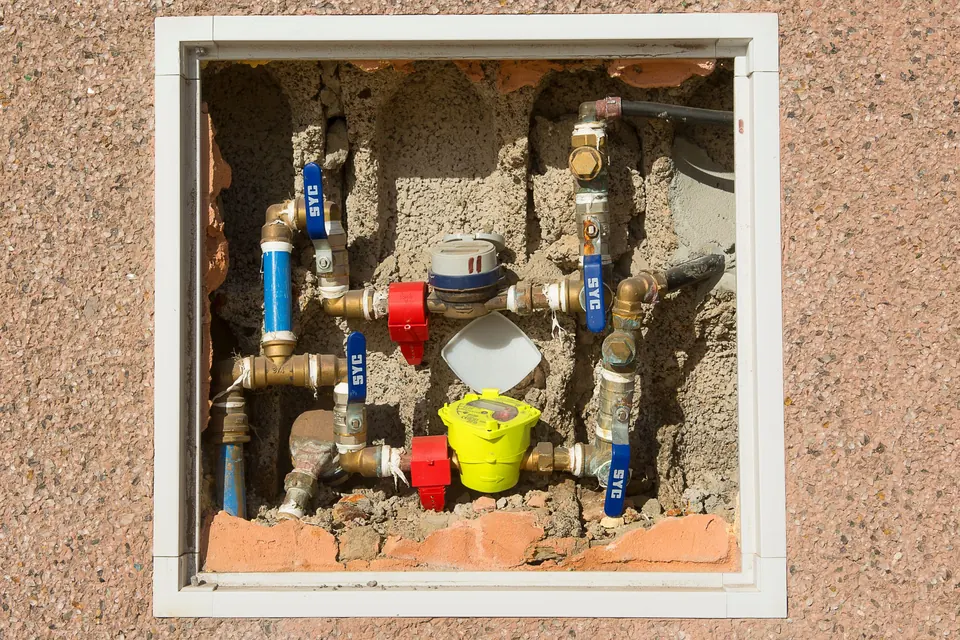
Turn off every fixture and appliance that uses water, then look at the meter. Many meters have a small triangle or dial that spins at low flow. If it moves with the house off, water is going somewhere.
Next, close the shutoff valve at the house. If the meter stops, the leak is inside. If it keeps moving, the leak sits in the service line between the meter and the house. Either answer saves the plumber time, and time is what an estimate is made of.
The EPA's WaterSense program puts household leaks at about a trillion gallons a year across the country, and says one home in ten wastes 90 gallons a day or more. Most of that is small, steady and unseen.
Where leaks turn up on the coast
- Under a slab
- Supply lines run in or under the concrete. The clue is a warm or damp floor, and the fix ranges from a spot repair to rerouting the line overhead.
- In a crawl space
- Raised beach houses hide leaks well, because the water drips onto the ground instead of showing on a ceiling. Worth a look with a flashlight twice a year.
- At the water heater
- The relief valve, the drain valve and the fittings on top are common sources, and none of them mean the tank is finished.
- At hose bibbs
- Outdoor taps take sun, salt and freeze cycles. A bibb that drips inside the wall shows up as a stain in a closet.
- In irrigation
- A broken head or a cracked lateral can run for weeks. It shows on the bill long before it shows in the yard.
- At toilets
- A flapper that does not seal sends water down the drain with no sound and no puddle. Dye in the tank shows it in ten minutes.
What the repair looks like
Once the leak is located, the plumber gives you options and a price for each. A pinhole in accessible copper is a short repair. A slab leak is a choice between opening the floor at one point and rerouting that run through the attic or the walls.
If the same line has leaked more than once, ask about repiping that run or the house. Repeat repairs on old pipe add up to more than the job you did not want to pay for.
Common questions
How do I know the leak is mine and not the water company's?
Shut the valve at the house and watch the meter. If it keeps moving with the house isolated, the leak is on the service line, which is on your side of the meter in most cases. The utility can confirm where their responsibility ends.
Can a plumber find a leak without opening walls?
Often, yes. Acoustic listening gear, pressure testing, and isolating one section at a time narrow it down before anything is opened. Some leaks still need an access hole to see and repair.
My bill doubled but I see no water anywhere. What now?
Run the meter test above, then check the toilets with dye tablets or a few drops of food coloring in the tank. A silent toilet leak is the most common cause of a bill that jumps with nothing visible.
Is a slab leak an emergency?
No, but it does not improve on its own. Water under a slab works on the soil and the foundation, so book the visit rather than watching it.