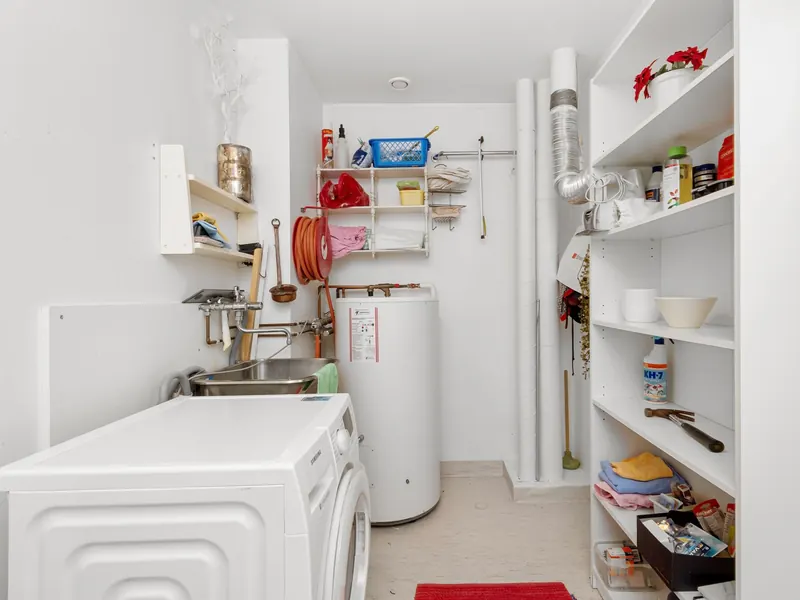
Signs your water heater needs service
- The hot runs cold sooner than it used to
- The hot tap runs brown, orange or cloudy
- The tank rumbles, pops or knocks as it heats
- A puddle at the base, or a drip from the relief line
- A pilot light that keeps going out
- A breaker that trips whenever the heater runs
- A date code on the label older than ten years
How the plumber diagnoses it
Electric units fail at the elements and thermostats most of the time, so those get metered first. On gas, attention goes to the thermocouple, the control valve, the burner and the venting.
The relief valve gets checked on both. Its whole job is to open when the tank runs too hot or too high on pressure, so a stuck one is a safety problem, and its discharge pipe has to run down to within a few inches of the floor.
Sediment matters here too. Water heated in a tank drops minerals to the bottom, and a layer of sediment insulates the burner from the water above it. That is what the rumbling sound is, and it costs efficiency long before it costs you the tank.
Repair or replace
Federal Department of Energy figures give a tank heater somewhere between 10 and 15 years. Once yours is past the first number and needs a major part, ask for two prices on the same visit: fix it, or replace it.
Where the water comes from decides everything. Drips at a fitting, a drain valve or the relief valve are repairs. Water weeping from the shell itself means the steel has gone, and no patch holds on a rusted tank.
Swapping one out means draining and hauling off the old unit, setting and levelling the new one, reconnecting water and fuel, and fitting a fresh relief valve with its discharge pipe. Raise the drain pan while somebody is standing there: a pan with nowhere to drain is decoration.
Common questions
How many years should I get out of it?
Federal estimates run 10 to 15 years on a tank and past 20 on most tankless units. Skipped flushes and hard use take years off both numbers.
My heater is leaking. Is it done?
Often no. Fittings, drain valves and relief valves are all repairable. Trace the water to the shell of the tank, though, and the rust has won: that one gets replaced.
Gas or electric, does it matter?
Both are covered, tankless included. Tell us which one you have and its age to the nearest few years, and the right parts ride along on the truck.
Should I flush the tank myself?
You can, and the manufacturer's instructions cover it. If the drain valve has not been opened in years it can fail to close again, so on an older tank it is worth having the plumber do it on a visit that is already booked.